Writer : Marius Yosef Seran & Dewi Sartika Umul
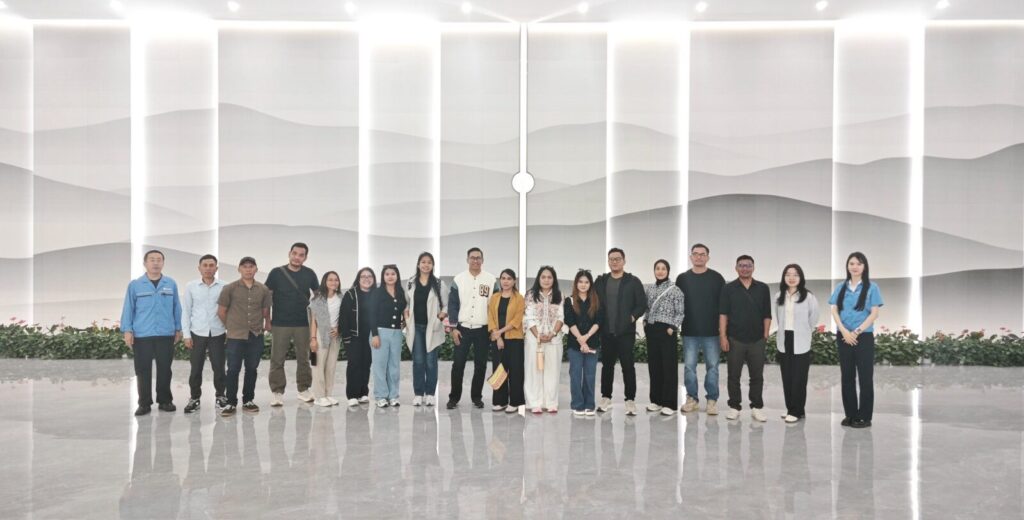
The Kang Cing Wie Program 2026 was more than an academic and cultural exchange between Indonesia and China. Through a series of symposiums, institutional visits, cultural excursions, and observations of technological and urban development in Beijing, the program provided participants with an opportunity to understand China from different perspectives. For me, one of the most important lessons from the program was the way China appears to maintain a strong connection with its history and cultural heritage while simultaneously moving confidently toward technological and economic development.
During the program, visits to historical and cultural sites such as the Great Wall, the Forbidden City, Shichahai Hutong, and Qianmen Dashilan provided a visible impression of how historical places remain part of contemporary urban life. These places are not simply preserved as remnants of the past. They continue to function as cultural spaces, educational resources, tourism destinations, and important components of the identity of the city. The preservation of historical environments therefore appears to coexist with a rapidly changing urban landscape.
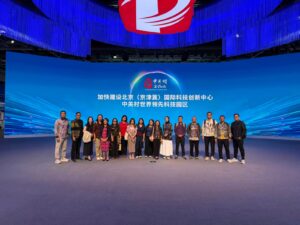
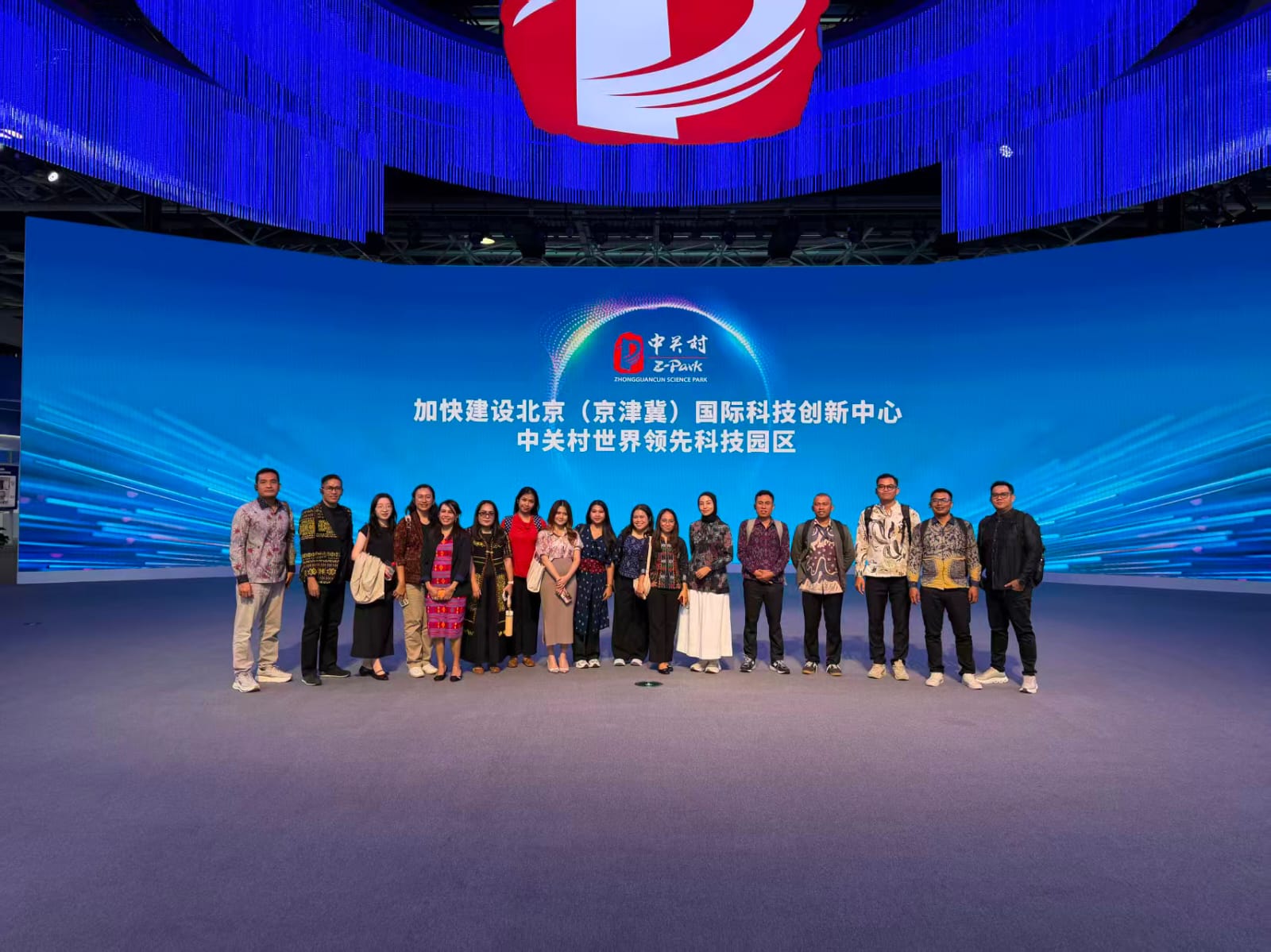
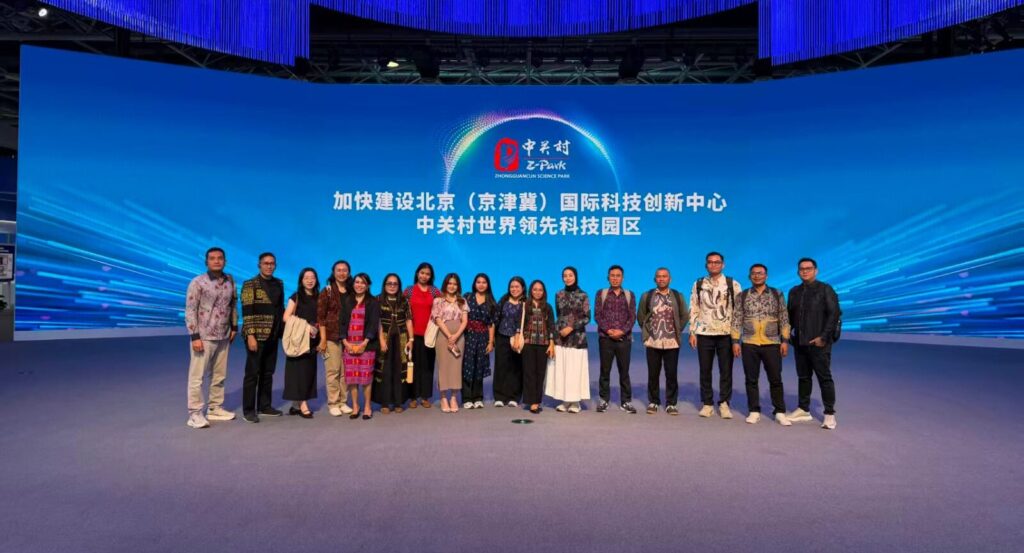
At the same time, visits to high-tech institutions and development sites presented another side of Beijing. Exposure to autonomous driving, artificial intelligence and high-tech industries demonstrated China’s strong orientation toward the future. The contrast was striking: historical buildings and cultural landscapes existed alongside advanced technologies, modern infrastructure, and ambitious development initiatives. Rather than seeing the past and the future as contradictory, the experience suggested that heritage can become part of a broader development strategy.
This observation is particularly relevant to Indonesia, where many communities possess rich cultural and historical resources but often face challenges associated with modernization and tourism development. The question is therefore not simply whether heritage should be preserved or development should be pursued. A more important question is how development can move forward without disconnecting communities from their history and cultural identity.
This reflection also provides a meaningful connection to my research on Warloka Pesisir in West Manggarai, East Nusa Tenggara. Warloka has historical significance as part of the maritime world of eastern Indonesia and provides evidence of cultural interactions and exchanges that connected local communities with wider regional networks. Its heritage, however, faces the challenge of remaining meaningful within contemporary tourism and community development.
The experience in China encourages a different way of thinking about this challenge. Heritage preservation does not necessarily mean freezing a community in the past. Instead, historical and cultural resources can become a foundation for future development when they are properly documented, interpreted, protected, and connected with contemporary community needs. In this sense, Warloka’s maritime history could become not only an object of archaeological research but also a resource for cultural education, responsible tourism, community-based interpretation, and intercultural exchange.
The Kang Cing Wie Program therefore provided an important lesson that extends beyond the activities themselves. Cultural exchange should not only focus on learning about another country’s history and culture; it should also encourage participants to reflect on their own heritage and consider how it can contribute to the future. China’s experience demonstrates the possibility of maintaining cultural continuity while embracing technological innovation and modern development.
For future cooperation, the program could therefore encourage participants to transform cultural exchange into practical collaboration. Participants from Indonesia and China could work together on heritage documentation, oral-history projects, digital storytelling, comparative cultural research, exhibitions, and community-based tourism initiatives. Such activities would allow cultural heritage to become a living platform for continued dialogue rather than simply a subject of historical discussion.
Ultimately, one of the most valuable lessons from the Kang Cing Wie Program 2026 is that looking toward the future does not require abandoning the past. Development becomes more meaningful when it is connected to history, identity, and cultural memory. Likewise, heritage preservation becomes more sustainable when it is allowed to contribute to the present and future lives of communities.
For Warloka and other heritage destinations in Indonesia, this lesson is particularly important. The challenge is not to choose between preservation and development, but to find ways in which heritage can become a foundation for responsible and future-oriented development. In this regard, the Kang Cing Wie Program can serve not only as a bridge between Indonesia and China, but also as a catalyst for transforming cultural connections into collaborative action for the future.
Wacth more about us on Instagram